Iron ore
Iron ore is a naturally occurring mineral from which iron is extracted. It is the primary raw material used to produce iron and steel, which are essential for construction, manufacturing, and various industrial applications.

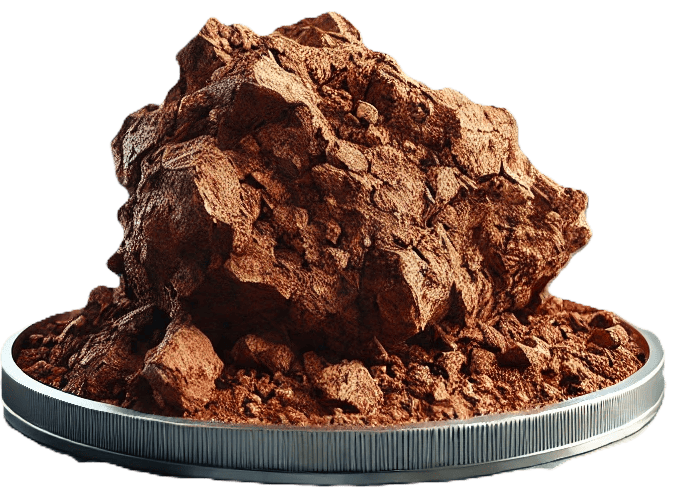
Iron ore is a naturally occurring mineral from which iron is extracted. It is the primary raw material used to produce iron and steel, which are essential for construction, manufacturing, and various industrial applications.

Iron pellets are small, spherical balls made from iron ore fines that are used in blast furnaces for steel production. They improve the efficiency of the smelting process by providing a uniform and high-quality feedstock.
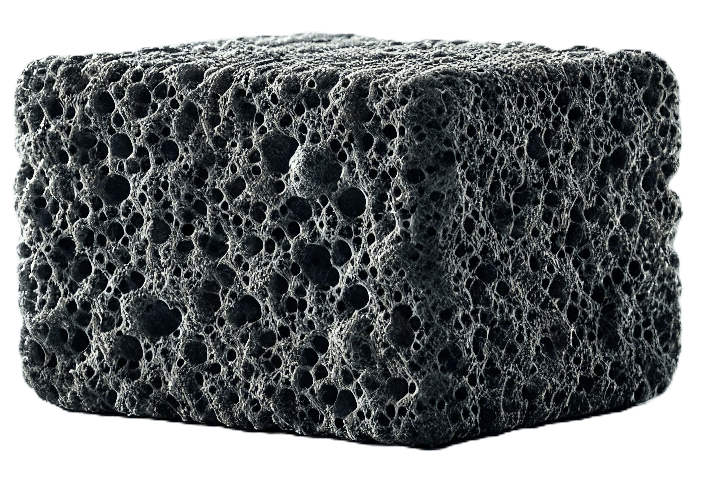
Sponge iron is a type of iron produced through direct reduction of iron ore using a reducing gas or solid carbon. It is a high-purity form of iron with a sponge-like texture, used as a raw material in steelmaking and in the production of high-quality steel.
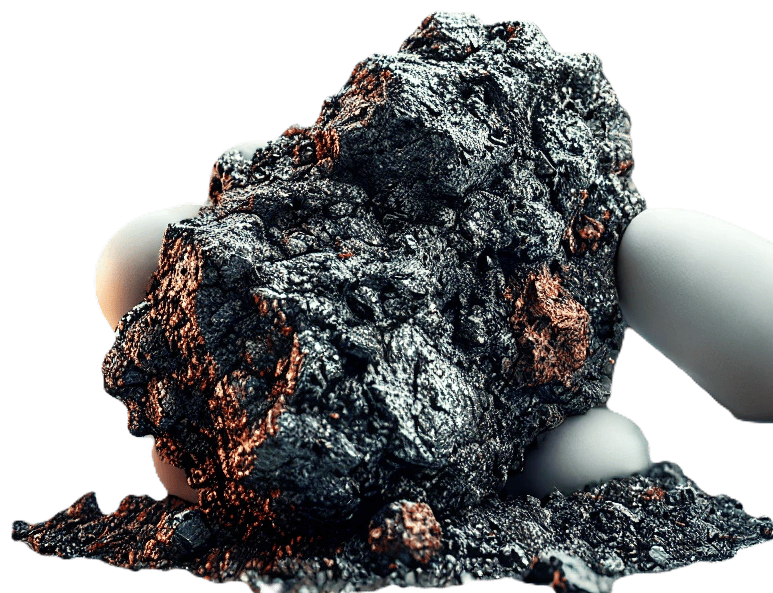
Manganese ore is a natural mineral rich in manganese, used primarily in steel production to improve hardness, strength, and wear resistance. It also serves as a key component in batteries and various industrial processes.
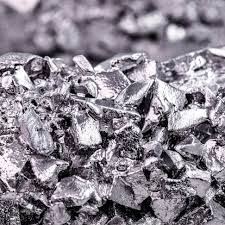
Titanium is a strong, lightweight metal known for its high strength-to-weight ratio and resistance to corrosion. It is used in aerospace, medical implants, and high-performance applications due to its durability and biocompatibility..
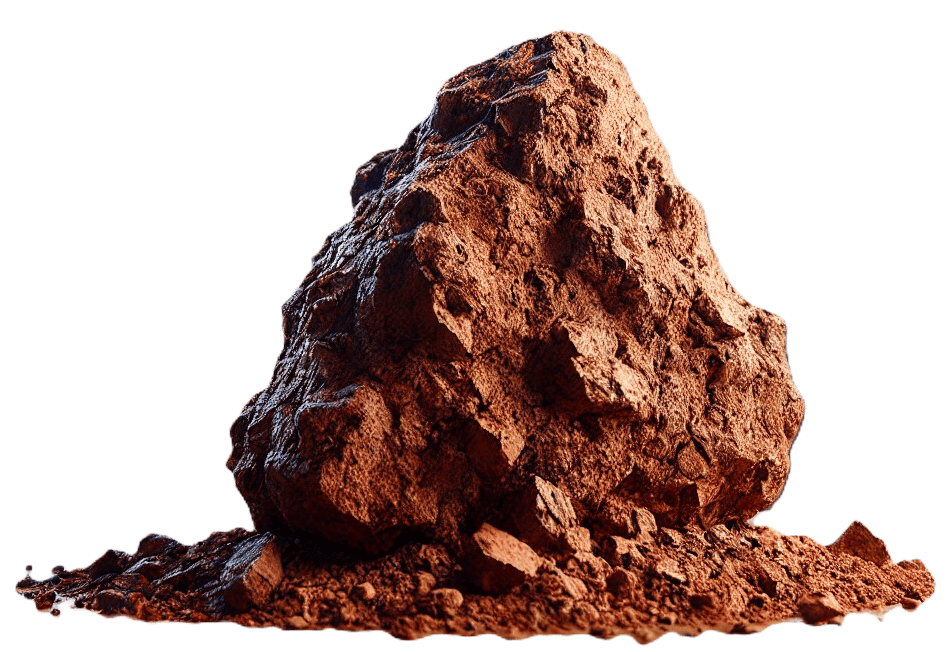
Bauxite is the primary ore of aluminum, consisting mainly of aluminum oxide minerals. It is processed to extract aluminum metal, which is used in a wide range of applications including transportation, construction, and packaging.
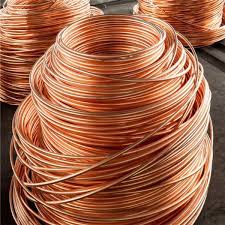
Copper Milbery wire is a type of copper wire used in electrical and electronic applications. It is known for its high conductivity, making it ideal for use in wiring, cables, and electrical connections.
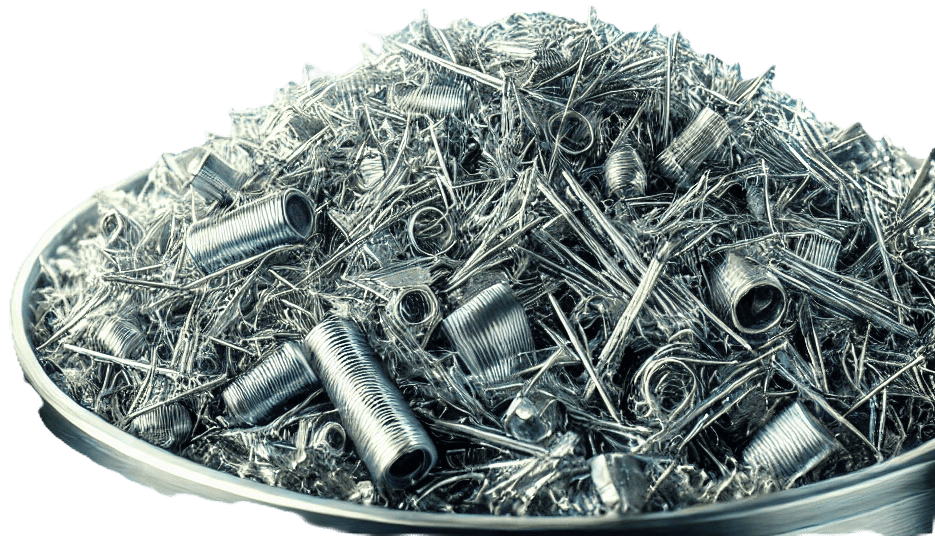
Aluminum boring refers to the process of drilling or machining aluminum materials to create precise holes or shapes. It is commonly used in manufacturing and construction to produce parts and components with high accuracy and durability.
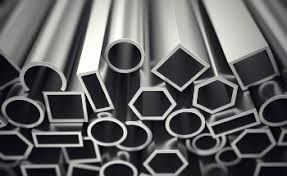
Aluminum 6063 is an aluminum alloy commonly used in extrusions. It offers good corrosion resistance, excellent finish, and high strength, making it suitable for applications such as window frames, architectural components, and structural parts.
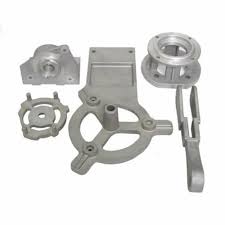
CI(Cast Iron) is a group of iron-carbon alloys with a high carbon content, known for its excellent castability, machinability, and wear resistance. It is commonly used in manufacturing engine blocks, pipes, and heavy machinery due to its durability and ability to absorb vibrations.
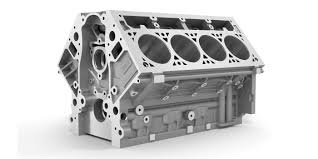
Engine blocks are the main structural component of an internal combustion engine, housing the cylinders, pistons, and crankshaft. They are typically made from cast iron or aluminum alloys and are designed to withstand the high pressures and temperatures generated during engine operation.
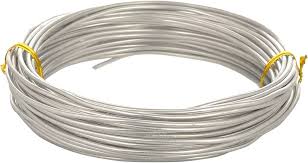
Aluminum wire is a type of electrical wire made from aluminum, known for its lightweight and corrosion-resistant properties. It is used in various electrical applications, including power transmission and distribution, as well as in building wiring and electronic components.
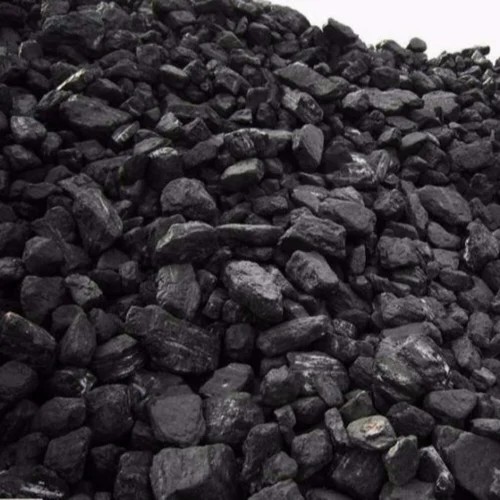
Anthracite lumps are a type of high-grade coal known for their dense, hard texture and glossy black appearance. They burn with a clean, hot flame, producing minimal smoke and ash, making them ideal for industrial and residential heating. Due to their high carbon content, anthracite lumps are often used in energy-intensive applications like steel production.
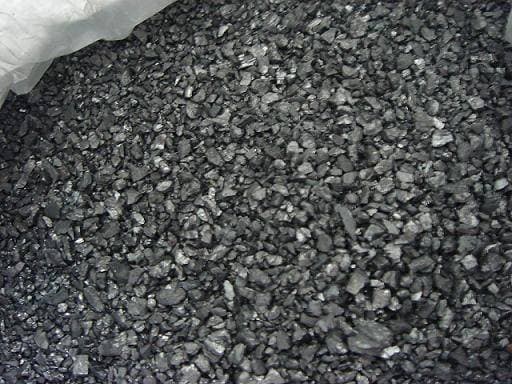
Carbon additive is a material used to enhance the carbon content in various products, particularly in steel and metal production. It helps improve the hardness, strength, and wear resistance of metals by increasing their carbon content during manufacturing. Common forms of carbon additives include graphite, coal, and coke.
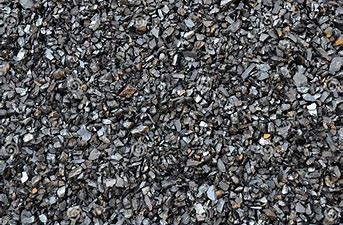
Anthracite fines are small, granular particles derived from crushed anthracite coal, often used in industrial applications. They provide a high-energy, low-ash fuel for processes like steel manufacturing and cement production, offering efficient combustion.
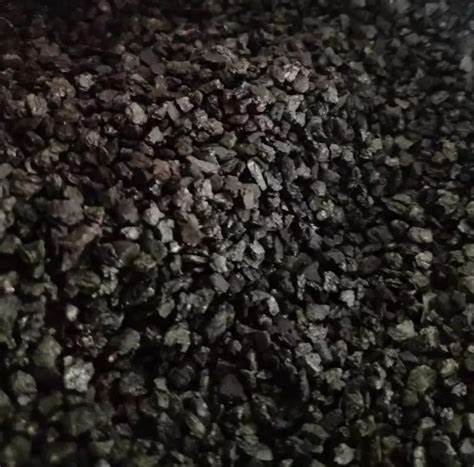
Carbon injection is a process used to control the carbon content in molten metal, enhancing properties like strength and hardness. It is also employed in environmental control to reduce harmful emissions by absorbing pollutants.